Introduction to Jewish Holidays
Jewish holidays are a significant aspect of the Jewish culture and calendar, providing both spiritual rejuvenation and community bonding opportunities. These holidays serve as markers of time, rooted in a rich tapestry of traditions, laws, and customs that are integral to Jewish identity. Each holiday carries with it specific meanings, rituals, and historical narratives that reflect the shared experiences of the Jewish people.
The Jewish calendar is a lunisolar one, resulting in a unique sequencing of holidays that are interspersed throughout the year. Major holidays such as Passover, Yom Kippur, and Rosh Hashanah highlight critical historical events and themes of reflection, repentance, and renewal. For instance, Passover commemorates the Exodus from Egypt and serves as a reminder of liberation and deliverance, while Yom Kippur represents a day of atonement and spiritual introspection.
In addition, lesser-known holidays also contribute to the annual rhythm of Jewish life. Celebrations such as Tu Bishvat, the New Year for Trees, and Purim, the festive day of celebration and community spirit, emphasize various aspects of Jewish existence, including environmental stewardship and communal joy. These observances foster not only traditional practices but also a sense of belonging and connection among members of the Jewish community.
Moreover, Jewish holidays are deeply interwoven with family and communal experiences. Rituals such as the lighting of the menorah during Hanukkah or the sharing of special meals during Shabbat reinforce the importance of togetherness and spiritual reflection. Each observance invites individuals to pause, reflect, and engage with both their heritage and their community. Through the observance of these holidays, Jewish traditions continue to flourish across generations, ensuring a vibrant cultural legacy that is celebrated widely today.
The Major Holidays: An Overview
Jewish holidays are not only moments of celebration but also occasions for reflection, community gathering, and the practice of tradition. Each significant holiday carries its unique essence and profound meaning within the Jewish faith.
Rosh Hashanah marks the Jewish New Year and is a time for introspection and prayer. It begins a ten-day period of repentance known as the Ten Days of Awe, culminating in Yom Kippur. During Rosh Hashanah, the shofar, a ram’s horn, is blown to herald the new year, symbolizing the call to awaken the spirit.
Yom Kippur, the Day of Atonement, holds great significance as the holiest day in Judaism. Observed through fasting and intensive prayer, it serves as a day for seeking forgiveness and reconciling with God and others. This solemn day concludes with the Neilah service, highlighting its importance in the Jewish calendar.
Passover, or Pesach, commemorates the Exodus from Egypt, celebrating freedom from oppression. It involves the Seder meal, during which stories are recounted, and symbolic foods are consumed to reflect on the hardships endured. The removal of leavened bread from homes is also a significant observance during this week-long holiday.
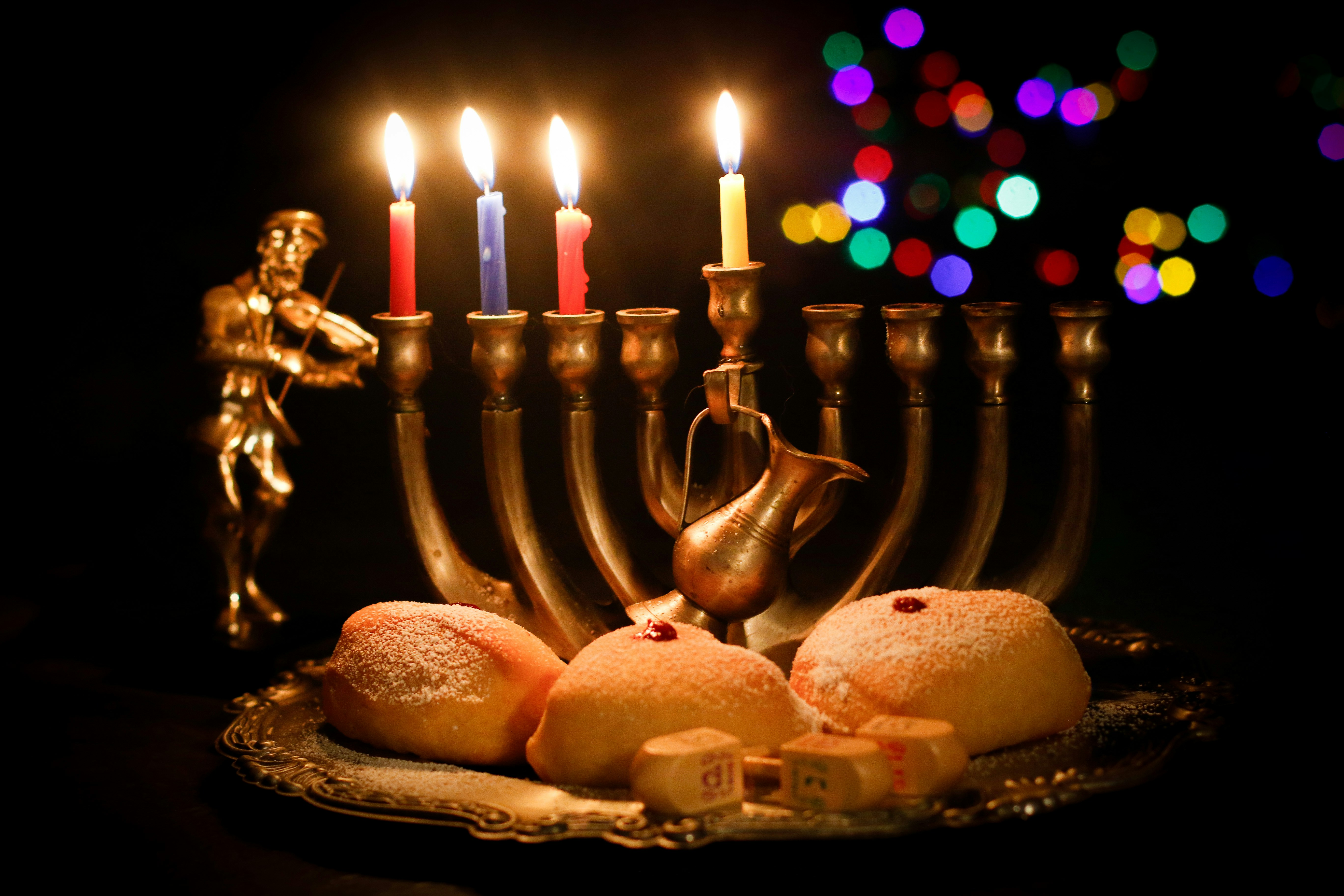
Hanukkah, often referred to as the Festival of Lights, celebrates the miracle of the oil that lasted eight days in the rededication of the Second Temple. Families light the menorah, adding one candle each night, and engage in joyous festivities that include playing dreidel and exchanging gifts, enhancing the sense of community and collective memory.
Lastly, Shavuot, which occurs fifty days after Passover, celebrates the giving of the Torah at Mount Sinai. Traditionally, it includes all-night study sessions, known as Tikkun Leil Shavuot, and the consumption of dairy products, symbolizing the sweetness of the Torah.
In conclusion, each of these holidays represents a time for community bonding, a connection to history, and the reaffirmation of Jewish identity through cherished practices and beliefs.
Festive Traditions: Celebrating Together
Jewish holidays are marked by a rich tapestry of festive traditions that play a crucial role in fostering a sense of community and reinforcing cultural identity. Central to these celebrations are communal meals that not only nourish the body but also cultivate connections among individuals and families. Gatherings during significant holidays such as Passover, Rosh Hashanah, and Sukkot allow community members to come together, share stories, and participate in the collective joy of the occasion.
During Passover, for instance, the Seder meal is a particularly vital practice, where families and friends gather to retell the story of the Exodus from Egypt. This event is imbued with rituals such as the reading from the Haggadah, the consumption of symbolic foods, and the singing of traditional songs. Such acts of remembrance and reflection reinforce shared faith and history, creating an atmosphere of unity and support.
In addition to communal meals, prayer and rituals are integral parts of Jewish holiday observances that enhance the sense of belonging. Sacred services often take place in synagogues or communal spaces, where individuals come together to participate in prayers and blessings. These shared experiences provide not only spiritual upliftment but also a powerful reminder of the importance of community in Jewish life.
The act of performing rituals collectively—whether it is lighting the menorah during Hanukkah or building a Sukkah for Sukkot—enriches the holiday experience. These traditions transcend individual practices, connecting collective memories and fostering a strong sense of identity among community members. Through these vibrant traditions of meals, prayers, and rituals, Jewish holidays become a celebration of togetherness, affirming the importance of community bonds and the joy derived from shared experiences.
Positive Messages in Jewish Holidays
Jewish holidays encapsulate a rich tapestry of themes and values that resonate deeply within the Jewish community and across diverse cultures. Each celebration serves as a conduit for powerful messages centered on forgiveness, gratitude, and freedom. These core themes contribute not only to individual growth but also to the collective spirit of the community.
One notable example is Yom Kippur, the Day of Atonement, which emphasizes forgiveness and introspection. This sacred day encourages individuals to reflect on their actions, seek reconciliation, and express genuine remorse. The act of asking for forgiveness is a profound reminder of the human capacity for compassion and the importance of mending broken relationships. By fostering a culture of forgiveness, Yom Kippur promotes emotional healing and the establishment of stronger community bonds.
Similarly, the celebration of Passover commemorates the liberation of the Israelites from slavery in Egypt. It serves as a collective reminder of the values of freedom and social justice. The narrative of Exodus inspires individuals to reflect on their own circumstances and advocate for the freedom and dignity of all people. This holiday resonates with universal themes of liberation, urging participants to confront modern-day injustices and strive toward equality and human rights.
In addition to these profound themes, Jewish holidays also instill a sense of gratitude. Thanksgiving-like expressions are echoed in celebrations such as Sukkot, where community members come together to give thanks for the harvest and the blessings of life. This communal act of gratitude not only strengthens social ties but also fosters a sense of positivity that can uplift entire communities.
Through the observation of these holidays, Jewish traditions impart timeless lessons that extend beyond cultural boundaries. The values of forgiveness, gratitude, and freedom serve to connect individuals, nurture positivity, and inspire a pursuit of justice for all humanity.
Cultural and Historical Significance
Jewish holidays hold profound cultural and historical significance within the Jewish community, serving as both a reflection of their rich heritage and a means of preserving collective memory. Each holiday is steeped in history, often commemorating pivotal events that have shaped Jewish identity over centuries. For instance, Passover, or Pesach, memorializes the liberation of the Israelites from Egyptian bondage, emphasizing themes of freedom and resilience that resonate deeply within Jewish values.
Moreover, holidays such as Yom Kippur and Rosh Hashanah provide opportunities for introspection and accountability, within a framework that fosters community bonds. These occasions encourage individuals to reconcile with their past, acknowledge societal responsibilities, and renew commitment to cultural traditions. Through such observances, they nurture a sense of belonging and pride in their shared identity and history.
The significance of Jewish holidays extends beyond mere ritual. They act as conduits of memory, ensuring that the narratives of struggle, perseverance, and triumph are passed down through generations. Observances like Hanukkah celebrate the victory of a small group of rebels, symbolizing not just a historical event but the enduring spirit of resistance against oppression. This element of historical commemoration ensures that the lessons and values inherent in these events continue to influence contemporary Jewish life.
Understanding Jewish holidays within their cultural and historical context enriches the appreciation of their ongoing relevance. These celebrations are not only a means of honoring the past but also a vital part of shaping the future of Jewish people, ensuring that traditions endure and evolve while anchoring the community in shared narratives and values. Ultimately, Jewish holidays embody the intersection of memory and identity, continually illuminating the path for future generations.
Community Engagement and Support
Jewish holidays serve as more than just festive occasions; they are a profound expression of community, creating opportunities for connection, support, and collective ritual. During these sacred times, the emphasis on togetherness fosters a sense of belonging and solidarity among family, friends, and neighbors. These holidays are often marked by communal prayers, shared meals, and various customs that reinforce the bonds of kinship and friendship.
Integral to Jewish traditions is the concept of tikkun olam, or “repairing the world”. This principle inspires community members to engage in social justice and charitable acts, particularly during holidays such as Passover and Hanukkah. While celebrating Passover, for instance, it is customary to ensure that those less fortunate also partake in the festive meals, emphasizing the value of inclusion and compassion. Similarly, during Hanukkah, many communities organize food drives and distribute gifts to families in need, ensuring that the joyous spirit of the holiday is accessible to all.
Community service during Jewish holidays acts as a bridge, connecting individuals with one another and promoting a culture of giving. The importance of charity, or tzedakah, becomes especially prominent, highlighting how generosity and community support are essential pillars of Jewish life. Through various initiatives, Jewish organizations and synagogues mobilize resources to reach those who may require assistance during the holiday seasons. This is not only a means of uplifting those in need but also an affirmation of shared values and heritage that bind the community together.
Thus, Jewish holidays are much more than personal celebrations; they represent an opportunity for collective action, ensuring that community engagement and support remain at the forefront, reinforced by a spirit of charity and unity.
Modern Celebrations: Adapting Traditions
In contemporary society, Jewish holiday celebrations have evolved, embracing both tradition and modern influences. The integration of diverse cultural practices reflects the dynamic nature of Jewish identity and the significance of community. Many Jewish communities today are engaging in interfaith gatherings, which allow families from various backgrounds to come together and experience the richness of Jewish traditions. This practice not only fosters mutual respect but also enriches the holiday experience, as participants learn about the meanings and stories behind each celebration.
Modern celebrations often involve adapting traditional rituals to resonate with younger generations and contemporary lifestyles. For instance, the Passover Seder, a centerpiece of the Jewish holiday, is increasingly incorporating innovative elements, such as interactive storytelling and contemporary music. This adaptation helps in making the rituals more accessible and engaging for a wider audience while preserving their core essence.
Moreover, the influence of contemporary culture is evident in how Jewish communities celebrate holidays. Social media plays a crucial role in sharing festive experiences, recipes, and new interpretations of traditional practices, allowing for an exchange of ideas across global Jewish networks. This connectivity contributes to a greater sense of belonging and shared identity among Jewish families, regardless of location.
Additionally, the emphasis on inclusivity during Jewish holidays has led to the creation of celebrations that honor the diversity within the Jewish community itself. For example, the incorporation of LGBTQ+ themes and focus on social justice has become more prevalent during celebrations like Pride Shabbat. Such adaptations not only reflect modern societal values but also reinforce the communal spirit that is at the heart of Jewish holidays.
Personal Reflections on Holidays
Jewish holidays are more than just a time for festive gatherings; they are deeply woven into the fabric of our lives, offering moments of reflection and community. Each holiday, from Rosh Hashanah to Yom Kippur, Chanukah to Passover, ushers in unique traditions and rituals that hold significant meaning. Personal experiences during these celebratory times can illuminate our connection to the Jewish community and heritage.
Many individuals find that sharing stories related to Jewish holidays fosters a sense of belonging and continuity. For instance, the cherished memories of sitting at the Passover Seder table, reciting the Four Questions, and enjoying matzah ball soup, often evoke feelings of love and connection to family. Reflecting upon these experiences can provide insights into the ways these traditions shape our identity and values.
Moreover, each holiday presents an opportunity to engage with Jewish teachings and community. During Rosh Hashanah, for example, the blowing of the shofar not only marks the New Year but also serves as a reminder of our commitment to self-improvement and renewal. By participating in these observances, we deepen our understanding of Jewish teachings and the importance of community cohesion.
The significance of Jewish holidays extends beyond personal enjoyment; it invites us to share our reflections and experiences with one another. Whether through organized communal events or casual conversations, discussing how holidays impact our lives enriches our communal bonds. By articulating personal stories, we honor our traditions while simultaneously connecting with others who may have shared similar experiences or insights.
Readers are encouraged to reflect on their own stories surrounding Jewish holidays. Your experiences can contribute to a collective narrative, reinforcing the vitality of tradition and the strength of our communal ties. Sharing these reflections allows us to celebrate not only the holidays themselves but also the personal connections that make them meaningful.
Conclusion: The Ongoing Impact of Jewish Holidays
Jewish holidays hold a profound significance within the community, serving as vital touchpoints that reinforce both cultural identity and shared values. By commemorating traditions that have been passed down through generations, these celebrations create an enduring bond among individuals and families, fostering unity and a sense of belonging. From Rosh Hashanah and Yom Kippur to Passover and Hanukkah, each holiday encapsulates unique themes of reflection, redemption, and renewal, encouraging practitioners to engage in acts of kindness and community service.
Moreover, the positive values embodied within these observances resonate deeply in contemporary society. The lessons of forgiveness, charity, and gratitude emphasized during Jewish holidays not only enhance personal growth but also uplift communal spirit. This relevance of Jewish customs in modern contexts can help bridge generational gaps, as younger members learn to appreciate and uphold the traditions of their elders, ensuring that the rich tapestry of Jewish history continues to thrive.
As society evolves, the impact of Jewish holidays becomes even more significant. They offer opportunities for individuals from diverse backgrounds to come together, fostering interfaith dialogues and promoting mutual understanding. In a world that is increasingly interconnected, the celebration of Jewish holidays serves as a reminder of the importance of community bonds, cultural appreciation, and the power of shared rituals in creating a harmonious society.
Ultimately, the ongoing relevance of Jewish holidays speaks to their enduring ability to enrich lives, strengthen connections, and promote values that transcend time. By celebrating these traditions, the Jewish community continues to inspire collective resilience and positivity, ensuring that the essence of their heritage remains vibrant in the hearts and minds of future generations.
Leave a Reply