Author: Rut

  • Understanding Kosher: Differences, Dietary Choices, and Cultural Influences

    Understanding Kosher: Differences, Dietary Choices, and Cultural Influences

    Understanding Kosher: Differences, Dietary Choices, and Cultural Influences

    Understanding the Definition of Kosher

    The term “kosher” originates from the Hebrew word meaning “fit” or “proper,” and refers specifically to food that adheres to the dietary laws known as Kashrut. These dietary laws derive from biblical commandments, primarily outlined in the Torah, and detail various regulations concerning what can be consumed by those observing Jewish tradition. To qualify as kosher, food must be prepared following these extensive guidelines, which address the types of animals that may be eaten, how they are slaughtered, and the separation of meat and dairy products in meals.

    In order for food to be considered kosher, several key requirements must be met. Firstly, the animals that are consumed must have split hooves and chew their cud, such as cows and sheep, while fish must possess fins and scales. Additionally, any meat derived from these animals must be slaughtered in a humane manner, adhering to specific ritualistic practices known as shechita. Furthermore, the preparation of kosher food must take place in utensils and appliances that have not been used for non-kosher food to avoid contamination.

    Another significant category within kosher food is that of parve, or pareve, which refers to foods that are neutral and contain neither meat nor dairy. Examples of parve foods include fruits, vegetables, grains, and eggs. Parve foods hold importance in kosher dietary practices because they can be safely consumed alongside either meat or dairy dishes, thus providing flexibility in meal preparation. Additionally, for the observant Jew, there are special kosher guidelines that apply during Passover, a holiday commemorating Jewish liberation. During this time, certain foods, particularly those that contain leavening agents, are prohibited, making it an essential period for adherence to specific kosher regulations.

    Can Jews Eat Non-Kosher Food? Exploring Halal and Other Options

    The question of whether Jews can consume non-kosher food is multifaceted, encompassing cultural, personal, and religious dimensions. For observant Jews, adherence to dietary laws is a significant aspect of their faith. However, there are circumstances where individuals may choose to eat non-kosher food. Factors such as social gatherings, cultural interactions, and personal beliefs can influence these decisions.

    One notable alternative that often comes up in discussions of dietary choices is halal food. Halal, which refers to what is permissible according to Islamic law, shares some similarities with kosher laws. Both systems emphasize humane treatment of animals and the prohibition of certain types of meat, such as pork. Additionally, both halal and kosher laws mandate specific methods of slaughter—shechita for kosher and zabiha for halal, which stress the importance of swift and humane methods.

    In multi-faith contexts, some Jews may opt for halal food in situations where kosher options are limited, reflecting a level of flexibility in dietary practices. This is particularly true in culturally diverse environments, where shared meals across different backgrounds are common. Personal observance also plays a crucial role; individuals who may not strictly adhere to kosher laws might see halal food as a suitable compromise.

    However, it is essential to note that the acceptance of halal food varies among Jews. While some may view halal as an acceptable alternative, others may hold firm to traditional kosher laws, seeing them as integral to their religious identity. Therefore, the decision to eat non-kosher food, including halal options, ultimately depends on individual beliefs and the broader context within which these choices are made.

    The Role of Observance Levels in Dietary Choices

    The Jewish community exhibits a diverse spectrum of observance levels, ranging from Orthodox to secular Jews, each interpreting the dietary laws of Kashrut in varying ways. These interpretations significantly impact their dietary choices and practices, informing not only what they eat but also how they view their identity and cultural practices.

    Orthodox Jews are typically the most stringent adherents to Kashrut. They maintain a comprehensive understanding of the laws, often extending beyond basic dietary restrictions to include intricate rules about meat and dairy separation, utensils, and food preparation methods. For instance, an Orthodox family may only consume meat that has been slaughtered according to specific rituals and will avoid any dairy products served alongside these meats, as per dietary codes. Such strict adherence often influences their selection of restaurants and grocery stores, favoring establishments that bear kosher certification.

    In contrast, Conservative Jews adopt a more moderate approach to Kashrut. While they uphold many traditional laws, there is room for personal interpretation and cultural adaptation. Some may choose to keep kosher in their homes but might forgo these rules in social settings, reflecting a blend of observance with modern lifestyle choices. This flexibility illustrates how dietary practices can adapt to meet the realities of contemporary life while still honoring traditions.

    Reform Jews may take a less traditional stance, prioritizing ethical eating practices over strict adherence to Kashrut laws. Many in this group might advocate for vegetarianism or organic foods, viewing food choices through a lens of social justice rather than strict religious guidelines. Examples include participating in community-supported agriculture or choosing local farms to support ethical consumption.

    Lastly, secular Jews often approach dietary choices with minimal engagement in religious laws. They may opt for Jewish foods, particularly during cultural celebrations, but do not feel compelled to adhere to the rules of Kashrut consistently. This divergence highlights the influence of personal beliefs and lifestyle choices on food consumption within Jewish identity.

    Cultural Backgrounds and Their Impact on Dietary Practices

    The dietary practices observed in Jewish communities around the world demonstrate a rich tapestry of cultural heritage influenced by geographical, historical, and social factors. Each community interprets and adapts the principles of kosher dietary laws in accordance with its unique environment and traditions. For instance, Ashkenazi Jews, originating from Eastern Europe, developed distinct eating customs and preferences that differ significantly from those of their Sephardic counterparts, who have roots in Spain, North Africa, and the Middle East. Each of these groups embodies varying interpretations of kosher guidelines, often shaped by local ingredient availability and cultural rituals.

    Regional customs have also played a pivotal role in shaping dietary choices. In places where seafood is readily available, such as coastal communities, certain types of fish, deemed kosher, are included in traditional diets. Meanwhile, in regions where livestock farming is prevalent, specific meats may dominate the food landscape. Moreover, socio-economic factors often dictate the range of dietary options accessible to individuals, influencing the affordability and consumption of kosher foods.

    The synthesis of modern dining trends and traditional Jewish practices further complicates the notion of kosher. In contemporary settings, globalization has led to the fusion of diverse culinary traditions, resulting in innovative kosher dishes that bear little resemblance to historical Jewish foods. This evolution reflects a broader cultural exchange while still adhering to the fundamental principles of kashrut. Young Jews today often navigate the complexities between maintaining cultural identity and embracing new culinary experiences, leading to a dynamic reinterpretation of dietary practices. The impact of diverse cultural backgrounds on Jewish dietary practices reveals not only the complexities of kosher laws but also the rich diversity present in Jewish life worldwide.

  • Exploring Jewish Recipes: A Tapestry of Cultures and Community Through Food

    Exploring Jewish Recipes: A Tapestry of Cultures and Community Through Food

    The Rich Diversity of Jewish Culinary Traditions

    The culinary heritage of Jewish communities around the globe is a vibrant tapestry, woven from centuries of history, migration, and cultural exchange. This rich diversity encompasses several distinct traditions, the most prominent being Ashkenazi, Sephardic, and Mizrahi, each offering unique recipes and ingredients reflective of their geographic and historical contexts.

    Ashkenazi cuisine, originating from Eastern European Jews, typically features hearty dishes designed to withstand cold climates. Signature recipes include matzo ball soup, kugel, and challah, utilizing staple ingredients such as potatoes, flour, and seasonal vegetables. Cooking techniques often emphasize boiling, baking, and roasting, which have been passed down through generations, adapting to local ingredients and tastes.

    In contrast, Sephardic cuisine, hailing from Jews of the Iberian Peninsula and the Middle East, is characterized by its vibrant spices, olive oil, and fresh vegetables. Dishes like shakshuka and various forms of stuffed vegetables are common, showcasing the influence of Mediterranean flavors. The use of ingredients such as saffron and pomegranate reflects a culinary melding with Arab, Turkish, and Spanish cuisines, yielding a diverse palate that celebrates richness and complexity.

    Mizrahi Jewish cuisine, emerging from Jews in North Africa and the Middle East, also plays a significant role in the overall Jewish culinary spectrum. Distinctive recipes such as couscous, tagines, and various spicy stews highlight ingredients like chickpeas, eggplant, and lentils. The influence of local customs and agricultural products is pronounced, making this tradition a significant element of Jewish food culture.

    As Jews migrated, their culinary traditions evolved, incorporating local influences while maintaining their unique identities. Historical events such as expulsions and resettlements led to the adaptation of recipes and ingredients, transforming traditional dishes into contemporary favorites. Such evolution underscores the dynamic nature of Jewish cuisine, illustrating how it serves as both a cultural touchstone and a vehicle for communal identity.

    Signature Dishes: A Journey Through Flavors

    Jewish cuisine is rich with tradition and history, showcasing a diverse array of signature dishes that reflect the cultural tapestry of the Jewish community. Each dish offers a unique glimpse into the customs and beliefs of the Jewish people, often intertwined with significance and symbolism passed down through generations.

    One of the most iconic Jewish recipes is Challah, a braided bread typically enjoyed during Shabbat and festive occasions. Its origins can be traced back to ancient times, where bread held great importance in Jewish rituals. The braiding of Challah symbolizes unity, and its sweet flavor often comes from the addition of sugar or honey, enhancing its appeal during celebrations such as Rosh Hashanah, the Jewish New Year.

    Matzo Ball Soup is another beloved dish, particularly during Passover when leavened bread is forbidden. The soup features matzo balls, made from ground matzo, which are light and fluffy, served in a savory broth. The history of this dish highlights the adaptability of Jewish cooking, where traditional recipes have evolved over time while retaining their meaning, providing warmth and comfort, especially during family gatherings.

    Lastly, Gefilte Fish stands out as a quintessential Jewish appetizer, traditionally made from a mixture of ground fish, onions, and spices. Originating in Eastern Europe, Gefilte Fish was originally created out of necessity, utilizing the abundant freshwater fish in the region. Today, it is often featured on Passover Seders and signifies the importance of fish in Jewish dietary traditions.

    These signature dishes—Challah, Matzo Ball Soup, and Gefilte Fish—embody the flavors and cultural significance of Jewish food, reflecting a deep connection to heritage and community. Their preparation and consumption are often tied to religious observances and family traditions, making them not just culinary delights but also vessels of history and identity.

    Survival Practices: Cooking with Purpose

    Jewish cooking has profoundly reflected the resilience and perseverance of its people, particularly during harrowing periods in history such as the Holocaust and diasporic experiences. During these challenging times, food became more than sustenance; it emerged as a potent symbol of identity, survival, and cultural continuity. Recipes passed down through generations often encompass elements that not only honor family heritage but also serve as acts of defiance against oppression. The culinary practices developed during the Holocaust illustrate this enduring spirit. Many recipes were adapted to make use of limited resources, with families creatively utilizing whatever ingredients were available to them. Traditional dishes such as borscht, latkes, and kugel have been adapted through frugality but retain their original meanings—offering comfort and connecting individuals to their rich cultural history despite adversity. Moreover, the way communities gather around food solidifies this commitment to preservation. Shared meals adopt deeper meanings during festivals and observances of remembrance, fostering a sense of togetherness and resilience. Cooking with purpose transcends mere nourishment; it becomes an act of rebellion against erasure. Each family recipe can symbolize a life lived and sacrifices made, providing a form of identification through the culinary arts. The significance of Jewish survival practices through food is evident across different regions, reflecting varied influences while maintaining a core sense of identity. For instance, Sephardic Jews introduced spices and flavors from the Mediterranean, while Ashkenazi contributions reflect Eastern European influences. Such culinary diversity showcases how communities have melded external challenges with internal traditions to forge a resilient culinary tapestry. Through acts of cooking, gathering, and sharing traditional recipes, the Jewish community has sustained its cultural heritage, reaffirming its existence against historical attempts at annihilation. The kitchen has thus become a sacred space where the past is honored, and future generations are educated about their identity through the medium of food.

    Community and Food: The Heart of Jewish Life

    In Jewish culture, food transcends mere sustenance; it is a vessel for community bonding and cultural identity. From family dinners to communal celebrations, the act of sharing meals forms the cornerstone of Jewish life. This centrality of food fosters connections, strengthens relationships, and promotes cultural continuity within Jewish communities.

    Jewish cooking often revolves around significant religious events and family gatherings. For instance, during Shabbat, it is customary for families to come together around the table, enjoying traditional dishes such as challah and brisket. These meals offer not just nourishment but also create an atmosphere of togetherness, allowing families to connect, share stories, and uphold traditions. The shared experience of breaking bread symbolizes unity and reinforces familial ties.

    Additionally, festivals such as Passover and Hanukkah are marked by distinct culinary practices that reflect historical narratives and religious observances. During Passover, the ritualistic preparations of matzah and the Seder plate’s symbolic foods serve to connect individuals with their ancestors’ experiences, while fostering a sense of community among participants. These collective customs reinforce an understanding of shared heritage, providing a strong foundation for cultural identity.

    Moreover, community kitchens and local gatherings often focus on communal cooking, where members collaborate to prepare and share traditional dishes. This not only enhances social bonds but also allows for the passing down of recipes and cooking techniques through generations. The lessons learned during these culinary experiences emphasize not just the act of cooking but the importance of collaboration, making food a medium for cultural expression and continuity.

  • Jewish Wisdom for Everyday Life: Insights from the Torah, Kabbalah, and the Sages

    Jewish Wisdom for Everyday Life: Insights from the Torah, Kabbalah, and the Sages

    Introduction to Jewish Wisdom

    Jewish wisdom encompasses a vast array of teachings and insights that have been handed down through the generations, rooted deeply in the texts of the Torah, Kabbalah, and the profound reflections of the sages. This wisdom not only illuminates the spiritual path of the Jewish people but also offers timeless guidance applicable to everyday life in the modern world. The Torah, regarded as the foundational text of Judaism, provides the ethical benchmarks and moral framework that shape the beliefs and practices of countless individuals. Its narratives and laws articulately convey principles of justice, compassion, and community responsibility, serving as a cornerstone of Jewish identity.

    In parallel, the Kabbalah—an intricate mystical tradition—delves deeper into the divine aspects of existence, presenting a rich tapestry of insights regarding the nature of God, the universe, and humanity’s role within it. This esoteric wisdom challenges individuals to seek a more profound connection with the divine and encourages exploration of personal spirituality. The teachings derived from both Kabbalah and the Torah offer potent tools for self-reflection and personal growth.

    The wisdom of the sages—an extension of scriptural teachings—provides practical guidance on how to navigate the complexities of daily life. Through their sayings and commentaries, these authorities embed essential lessons concerning interpersonal relationships, ethical conduct, and spiritual fulfillment. As such, Jewish wisdom transcends mere historical or religious context, having relevance in contemporary societal challenges and personal dilemmas.

    Ultimately, Jewish wisdom cultivates a rich cultural heritage that remains significant today. Through an appreciation of this wisdom, individuals can find inspiration and guidance that enhances their understanding of themselves and their place in the world. Each teaching, whether sourced from the Torah, Kabbalah, or the sages, invites contemplation and action, contributing to a more meaningful existence.

    Key Concepts in the Torah

    The Torah, representing the foundational text of Judaism, encapsulates essential concepts that significantly influence Jewish ethics and moral conduct. At the core of these teachings is the belief in one God, emphasizing monotheism. This concept posits that God is the sole creator of the universe, imbued with omniscience and omnipotence. Such a viewpoint not only shapes one’s understanding of divine presence but also fosters a deep sense of accountability among adherents, underscoring the significance of moral actions and ethical decision-making.

    The covenant between God and the Israelites forms another pivotal element within the Torah. This agreement outlines the responsibilities of the Jewish people to uphold the commandments, thereby distinguishing them as a chosen group. Such a covenant binds them to a unique spiritual mission, cultivating a framework whereby they can strive for justice, kindness, and compassion in their communal and personal lives. The ethical implications of this covenant resonate within various aspects of contemporary existence, encouraging individuals to actively engage in acts of social justice and community service.

    Moreover, the Torah elucidates the importance of ethical conduct as a reflection of one’s relationship with God. Through laws and narratives, it advocates for high ethical standards, ranging from interpersonal relationships to broader societal interactions. Key principles include honesty, integrity, and respect for others. These enduring moral directives continue to inspire Jewish thought today, inviting individuals to incorporate these ancient teachings into modern contexts. By embracing these core concepts, individuals may find guidance, fostering a life enriched with purpose, moral clarity, and a commitment to the welfare of others.

    The Role of Kabbalah in Everyday Life

    Kabbalah represents a deep and mystical aspect of Jewish thought, providing profound insights into the nature of the divine and the purpose of human existence. It emphasizes the concept that the physical world is a reflection of a spiritual reality, where every action and thought has cosmic significance. Central to Kabbalistic teachings is the understanding of the Ein Sof, an infinite source of divine light, from which the creation of the world emanates. This framework allows individuals to perceive the intricacies of their existence as interconnected with a greater divine purpose.

    One core tenet of Kabbalah is the notion of the Sefirot, which are ten attributes through which the divine interacts with the world. Each Sefirah represents different characteristics of God, such as wisdom, understanding, and kindness, and serves as a model for personal development. By aligning oneself with these attributes, practitioners can cultivate virtues that enhance both their spiritual and practical lives. For instance, by embodying the quality of Chesed (kindness), one can foster a deeper sense of community and compassion, thereby promoting harmony in personal relationships.

    In practical terms, Kabbalistic teachings offer a wealth of insights for self-improvement and spiritual growth. Simple daily practices such as meditation, prayer, and reflection on the interconnectedness of all life can lead to profound transformations. These practices encourage individuals to seek inner peace, develop a greater understanding of their emotional landscape, and ultimately navigate life’s challenges with a sense of purpose and clarity. By integrating Kabbalistic principles into everyday routines, individuals can immerse themselves in a lifelong journey of self-discovery and spiritual awakening, thereby nurturing both their soul and their immediate environment.

    Wisdom from the Sages: Lessons for Modern Living

    The teachings of Jewish sages have long served as a profound source of inspiration and guidance, helping individuals navigate the complexities of daily life. Their insights, encapsulated in memorable quotes and aphorisms, provide timeless wisdom relevant to interpersonal relationships, ethical dilemmas, and personal resilience. One such sage, Rabbi Hillel, famously stated, “If I am not for myself, who will be for me? And if I am only for myself, what am I?” This quote highlights the importance of self-care while urging us to consider our responsibilities to others, a balance crucial in modern living.

    Interpersonal relationships often pose challenges, but the wisdom of the sages encourages open communication and mutual respect. Rabbi Akiva, another prominent figure, taught that “Love your neighbor as yourself” is a fundamental principle. This maxim serves as a reminder of the importance of empathy and understanding in our interactions, fostering a community built on compassion and support. In today’s fast-paced society, where conflicts can easily arise, embracing such principles can cultivate healthier and more meaningful relationships.

    Moreover, ethical dilemmas frequently confront us in both personal and professional spheres. The Talmud offers a wealth of guidance in this respect, emphasizing integrity and the value of seeking justice. “He who is compassionate to others will receive compassion from Heaven” reflects the idea that our actions have repercussions not only on those around us but in the spiritual realm as well. Applying these teachings to our decision-making processes can lead to more ethical choices that align with our values.

    Lastly, Jewish wisdom stresses the importance of resilience. Proverbs such as “A person falls seven times and rises again” remind us that failure and hardship are parts of the human experience. The sages encourage an attitude of perseverance, urging us to view setbacks as opportunities for growth and learning. This perspective is essential for navigating the inevitable challenges that life presents.

    Jewish History’s Influence on Modern Ethics

    The ethical perspectives cultivated within the Jewish community have been profoundly shaped by significant moments in Jewish history. From ancient times through the modern era, these experiences have instilled a moral framework that addresses contemporary societal challenges. Notably, periods of persecution have fostered resilience and a communal support ethos, emphasizing values such as compassion, justice, and the importance of collective responsibility.

    For instance, the Babylonian Exile (586 BCE) marked a significant turning point in Jewish history, where introspection led to the refinement of religious practices and ethical behavior. The experience of exile underscored the value of ethical living even in strife, as maintaining Jewish identity became central to community resilience. This period laid the groundwork for the development of essential Jewish texts, including the Talmud, which continues to influence moral discourse today.

    Additionally, the Holocaust serves as a potent reminder of the fragility of human dignity and the moral imperative to protect it. This harrowing chapter catalyzed numerous ethical reflections within Jewish thought, prompting reconsiderations of human rights and social justice. Jewish philosophers and leaders have emphasized the importance of advocating for the oppressed and marginalized, a principle deeply rooted in the commandments of the Torah.

    Moreover, moments of triumph, such as the establishment of the State of Israel in 1948, have highlighted the importance of ethical governance and civil society. The commitment to build a society based on justice and peace reflects Jewish values and the lessons drawn from historical struggles. Modern Jewish ethical considerations thus remain intertwined with the collective memory of both suffering and survival.

    In conclusion, Jewish history profoundly shapes modern ethical standards, providing a wealth of wisdom that continues to resonate. Understanding these historical influences offers essential insights into how Jewish teachings can be applied to navigate contemporary moral dilemmas, ultimately fostering a more just society for all.

    Applying Jewish Wisdom in Daily Life

    Incorporating Jewish wisdom into daily routines can significantly enhance one’s life experience. By drawing on teachings from the Torah, Kabbalah, and insights from the sages, individuals can cultivate a more mindful, compassionate approach to everyday activities, affecting work, relationships, and community interactions.

    One practical way to apply this wisdom is through the practice of mindfulness. Jewish teachings emphasize the importance of being present and reflecting on one’s actions. Setting aside a few moments each day for mindfulness can help individuals recognize the impact of their choices, whether at work or in personal interactions. This mindfulness approach can foster healthier decision-making and promote a sense of calm amid daily stresses.

    Acts of kindness represent another pivotal aspect of Jewish wisdom. Simple actions, such as helping a colleague with a task or reaching out to a neighbor in need, create strong community bonds and support the values of empathy and compassion. For example, the concept of “chesed” (loving-kindness) encourages service to others, enriching both the giver’s and receiver’s lives. Embracing this practice not only contributes to community well-being but also cultivates a fulfilled and generous spirit.

    Engaging with the community is equally vital in applying Jewish wisdom. Participation in community activities, whether through volunteering or attending local events, fosters a sense of belonging and connection. Jewish traditions often encourage serving others and pivotal engagement, which can offer shared experiences that enrich one’s life. These engagements can provide opportunities for growth and learning, allowing individuals to incorporate the values of their faith into actionable practices.

    By consistently practicing mindfulness, kindness, and community engagement, individuals can effectively employ Jewish wisdom in their daily lives, fostering a more positive environment for themselves and those around them. Through these efforts, the teachings of the Torah and the insights of the sages become a living part of everyday existence, enhancing overall well-being and purpose.

    Case Studies: Jewish Wisdom in Action

    Jewish wisdom, rooted in the teachings of the Torah, Kabbalah, and the insights of the Sages, offers a wealth of knowledge that can be applied in various aspects of everyday life. This section highlights several real-life examples where individuals and communities have harnessed this profound wisdom to navigate challenges, enhance relationships, and foster resilience.

    One powerful illustration comes from a community facing the crisis of dwindling attendance at their local synagogue. As congregational life began to wane, the leaders turned to teachings from the Talmud regarding community engagement and inclusivity. They organized monthly “Torah Study Nights,” creating a space where members could gather not just for worship, but also for education and dialogue. This initiative revitalized the community atmosphere, increased participation, and encouraged deeper connections among attendees.

    Another example can be found in the realm of personal relationships. A couple experiencing significant marital discord decided to apply principles derived from Kabbalistic teachings on harmony and balance within the home. They embarked on a journey of understanding their own values and expectations while seeking to understand each other’s perspectives better. By focusing on active listening and compassion, they utilized Jewish wisdom to foster a more profound sense of partnership, transforming their relationship into a more nurturing and supportive environment.

    Furthermore, during the challenges posed by the global pandemic, a group of Jewish educators adapted their traditional classes to an online format, drawing inspiration from the concept of “Tikkun Olam,” or repairing the world. They initiated virtual sessions that not only focused on academic subjects but also included discussions on mental health and community support. This effort served to reinforce the bonds within the community and helped alleviate feelings of isolation among participants.

    Through these narratives, it becomes evident that Jewish wisdom is not merely theoretical but a practical guide that can significantly enrich lives and provide solutions to contemporary challenges. From revitalizing community spirit to enhancing personal relationships, the application of Jewish principles can lead to transformative experiences in everyday life.

    Common Misconceptions about Jewish Teachings

    Jewish teachings encompass a rich tapestry of insights and wisdom, yet certain misconceptions often cloud their true value. One prevalent misunderstanding is the belief that Jewish wisdom is solely religious in nature, relegating it to rituals and customs. In reality, Jewish teachings impart profound ethical and moral lessons that apply universally to various life circumstances. They encourage adherence to values such as honesty, integrity, and respect, which transcend the boundaries of faith, making them relevant to everyone, regardless of their beliefs.

    Another common misconception is the notion that Jewish wisdom is rigid or dogmatic. This perception overlooks the dynamic nature of Jewish texts, such as the Torah and Kabbalah, which invite interpretation and discourse. The Sages engaged in vibrant discussions and debates, demonstrating that differing perspectives are not merely accepted but celebrated within Jewish thought. This tradition of dialogue enriches the understanding of teachings, encouraging individuals to explore and question rather than accept blindly.

    Moreover, the belief that Jewish teachings are exclusively for the scholars overlooks their accessibility. Jewish wisdom is not confined to religious leaders or academics; it is available to all who seek to engage with it. Books, online courses, and community discussions provide numerous avenues for individuals to explore these teachings and incorporate them into their everyday lives. Misconceptions like these can deter individuals from appreciating the depth and relevance of Jewish wisdom. By clarifying these misunderstandings, readers can better navigate the complexities of Jewish teachings and apply their insights beneficially within modern contexts.

    Conclusion: The Timeless Relevance of Jewish Wisdom

    Jewish wisdom, derived from the ancient teachings of the Torah, Kabbalah, and the insights of revered sages, offers profound guidance and insights that transcend time and cultural boundaries. Throughout this blog post, we have explored the foundational elements of this wisdom, demonstrating how it can be applied to navigate contemporary challenges and enhance our everyday lives. Words of compassion, ethical conduct, and a deep understanding of the human experience provide a framework that resonates in today’s fast-paced world.

    The teachings inspired by Jewish tradition not only encourage personal growth but also foster a sense of community and belonging. Engaging with these timeless principles can help individuals develop a deeper appreciation for their heritage and the values that have sustained generations. From the moral lessons found in the Torah to the mystical insights offered by Kabbalistic thought, the relevance of these teachings in daily life cannot be overstated.

    Moreover, the wisdom of the sages serves as a multifaceted tool for understanding our own experiences and the world around us. Embracing these ideas can lead to a more fulfilled life, characterized by meaningful relationships, ethical decision-making, and a commitment to tikkun olam, or the repair of the world. By integrating these lessons into our lives, we connect with a tradition rich in meaning and purpose.

    As we conclude this exploration of Jewish wisdom, let us take a moment to reflect on the teachings that inspire us. In doing so, we can find practical applications that enrich our daily experiences and fortify our bonds with our community and history. Ultimately, Jewish wisdom possesses a timeless appeal that is as relevant today as it was centuries ago, guiding us toward a life of integrity, compassion, and shared humanity.

  • Celebrating Jewish Holidays: Community, Positivity, and Tradition

    Celebrating Jewish Holidays: Community, Positivity, and Tradition

    Introduction to Jewish Holidays

    Jewish holidays are a significant aspect of the Jewish culture and calendar, providing both spiritual rejuvenation and community bonding opportunities. These holidays serve as markers of time, rooted in a rich tapestry of traditions, laws, and customs that are integral to Jewish identity. Each holiday carries with it specific meanings, rituals, and historical narratives that reflect the shared experiences of the Jewish people.

    The Jewish calendar is a lunisolar one, resulting in a unique sequencing of holidays that are interspersed throughout the year. Major holidays such as Passover, Yom Kippur, and Rosh Hashanah highlight critical historical events and themes of reflection, repentance, and renewal. For instance, Passover commemorates the Exodus from Egypt and serves as a reminder of liberation and deliverance, while Yom Kippur represents a day of atonement and spiritual introspection.

    In addition, lesser-known holidays also contribute to the annual rhythm of Jewish life. Celebrations such as Tu Bishvat, the New Year for Trees, and Purim, the festive day of celebration and community spirit, emphasize various aspects of Jewish existence, including environmental stewardship and communal joy. These observances foster not only traditional practices but also a sense of belonging and connection among members of the Jewish community.

    Moreover, Jewish holidays are deeply interwoven with family and communal experiences. Rituals such as the lighting of the menorah during Hanukkah or the sharing of special meals during Shabbat reinforce the importance of togetherness and spiritual reflection. Each observance invites individuals to pause, reflect, and engage with both their heritage and their community. Through the observance of these holidays, Jewish traditions continue to flourish across generations, ensuring a vibrant cultural legacy that is celebrated widely today.

    The Major Holidays: An Overview

    Jewish holidays are not only moments of celebration but also occasions for reflection, community gathering, and the practice of tradition. Each significant holiday carries its unique essence and profound meaning within the Jewish faith.

    Rosh Hashanah marks the Jewish New Year and is a time for introspection and prayer. It begins a ten-day period of repentance known as the Ten Days of Awe, culminating in Yom Kippur. During Rosh Hashanah, the shofar, a ram’s horn, is blown to herald the new year, symbolizing the call to awaken the spirit.

    Yom Kippur, the Day of Atonement, holds great significance as the holiest day in Judaism. Observed through fasting and intensive prayer, it serves as a day for seeking forgiveness and reconciling with God and others. This solemn day concludes with the Neilah service, highlighting its importance in the Jewish calendar.

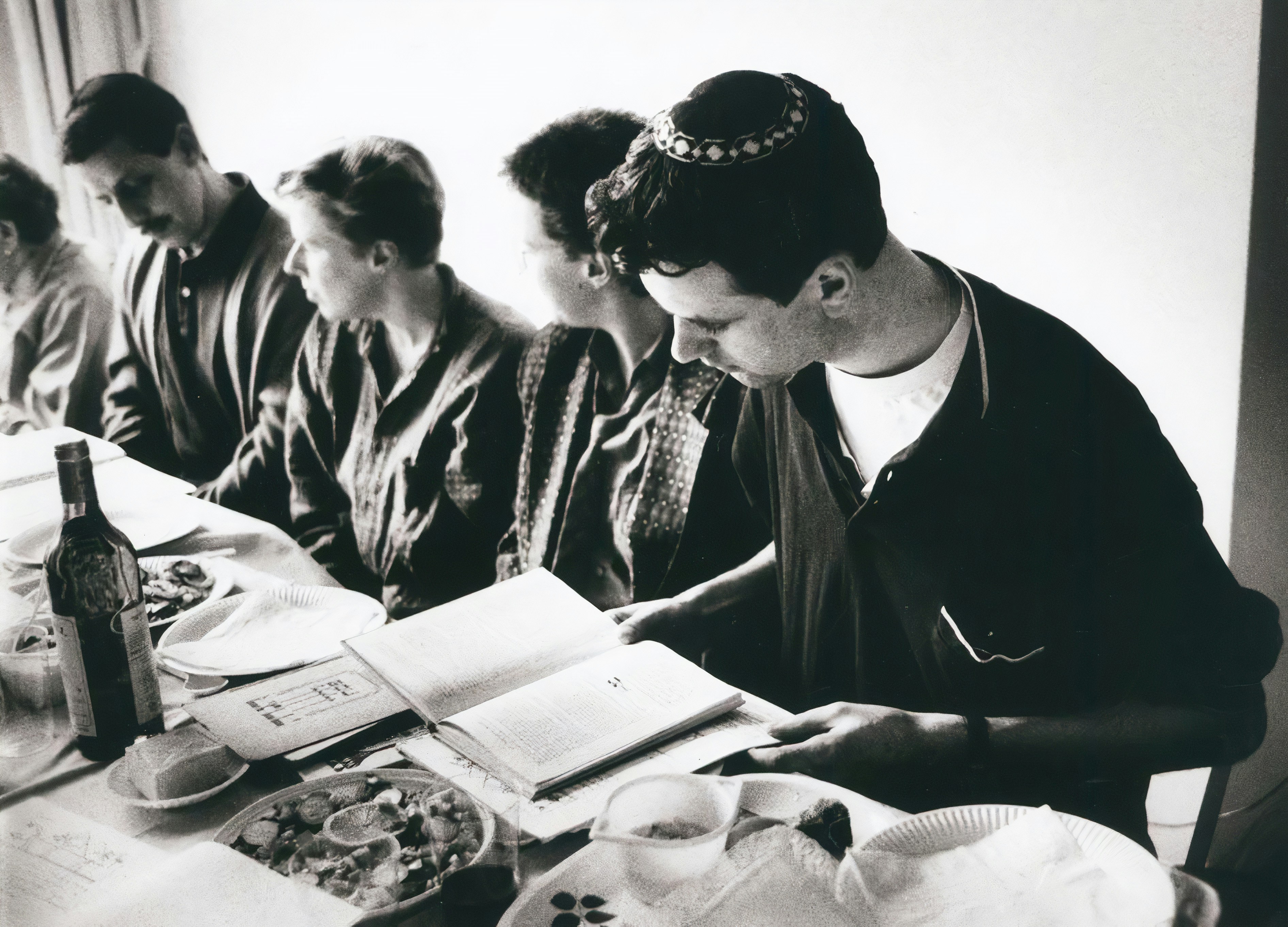
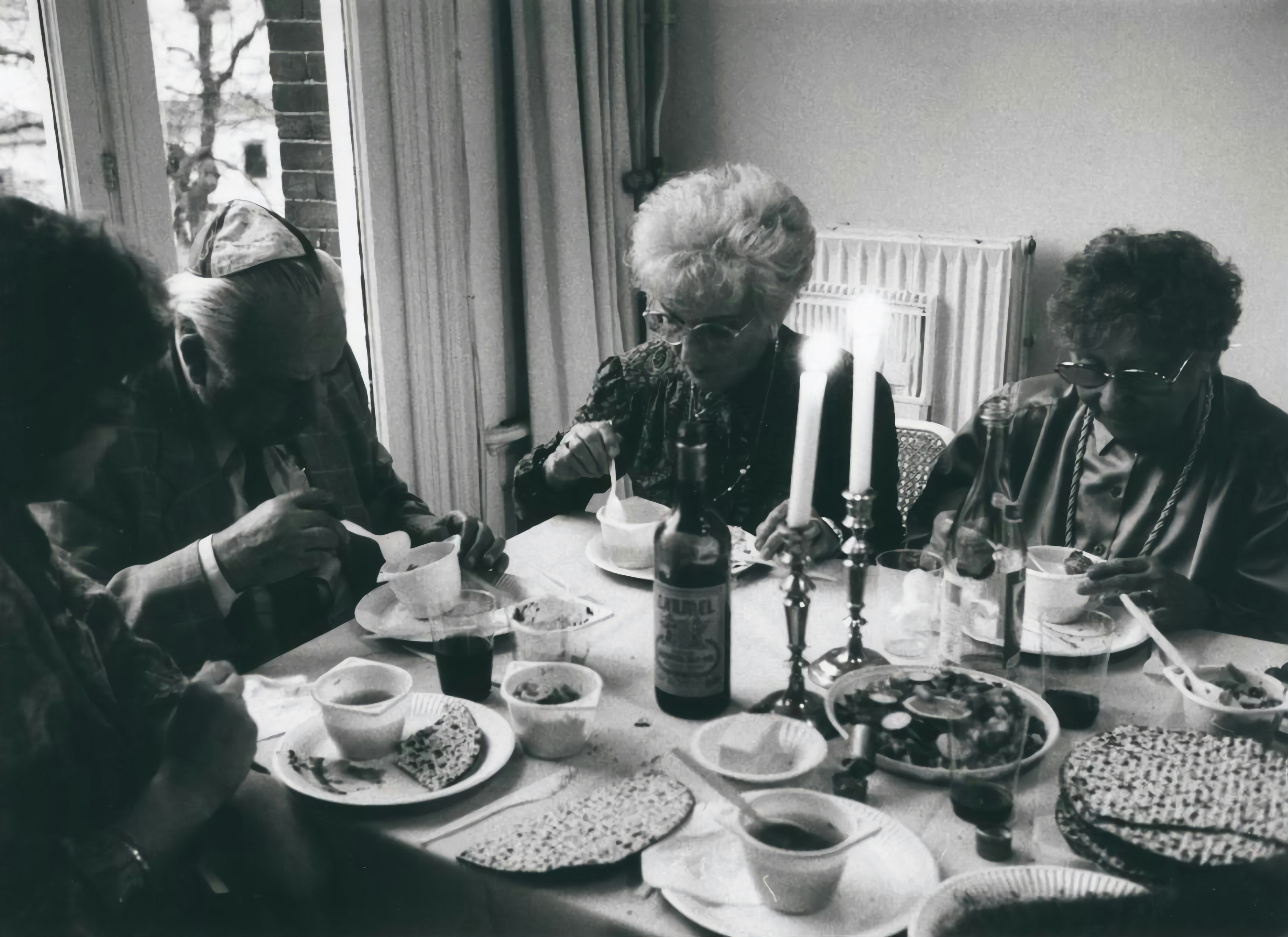
    Passover, or Pesach, commemorates the Exodus from Egypt, celebrating freedom from oppression. It involves the Seder meal, during which stories are recounted, and symbolic foods are consumed to reflect on the hardships endured. The removal of leavened bread from homes is also a significant observance during this week-long holiday.

    Hanukkah, often referred to as the Festival of Lights, celebrates the miracle of the oil that lasted eight days in the rededication of the Second Temple. Families light the menorah, adding one candle each night, and engage in joyous festivities that include playing dreidel and exchanging gifts, enhancing the sense of community and collective memory.

    Lastly, Shavuot, which occurs fifty days after Passover, celebrates the giving of the Torah at Mount Sinai. Traditionally, it includes all-night study sessions, known as Tikkun Leil Shavuot, and the consumption of dairy products, symbolizing the sweetness of the Torah.

    In conclusion, each of these holidays represents a time for community bonding, a connection to history, and the reaffirmation of Jewish identity through cherished practices and beliefs.

    Festive Traditions: Celebrating Together

    Jewish holidays are marked by a rich tapestry of festive traditions that play a crucial role in fostering a sense of community and reinforcing cultural identity. Central to these celebrations are communal meals that not only nourish the body but also cultivate connections among individuals and families. Gatherings during significant holidays such as Passover, Rosh Hashanah, and Sukkot allow community members to come together, share stories, and participate in the collective joy of the occasion.

    During Passover, for instance, the Seder meal is a particularly vital practice, where families and friends gather to retell the story of the Exodus from Egypt. This event is imbued with rituals such as the reading from the Haggadah, the consumption of symbolic foods, and the singing of traditional songs. Such acts of remembrance and reflection reinforce shared faith and history, creating an atmosphere of unity and support.

    In addition to communal meals, prayer and rituals are integral parts of Jewish holiday observances that enhance the sense of belonging. Sacred services often take place in synagogues or communal spaces, where individuals come together to participate in prayers and blessings. These shared experiences provide not only spiritual upliftment but also a powerful reminder of the importance of community in Jewish life.

    The act of performing rituals collectively—whether it is lighting the menorah during Hanukkah or building a Sukkah for Sukkot—enriches the holiday experience. These traditions transcend individual practices, connecting collective memories and fostering a strong sense of identity among community members. Through these vibrant traditions of meals, prayers, and rituals, Jewish holidays become a celebration of togetherness, affirming the importance of community bonds and the joy derived from shared experiences.

    Positive Messages in Jewish Holidays

    Jewish holidays encapsulate a rich tapestry of themes and values that resonate deeply within the Jewish community and across diverse cultures. Each celebration serves as a conduit for powerful messages centered on forgiveness, gratitude, and freedom. These core themes contribute not only to individual growth but also to the collective spirit of the community.

    One notable example is Yom Kippur, the Day of Atonement, which emphasizes forgiveness and introspection. This sacred day encourages individuals to reflect on their actions, seek reconciliation, and express genuine remorse. The act of asking for forgiveness is a profound reminder of the human capacity for compassion and the importance of mending broken relationships. By fostering a culture of forgiveness, Yom Kippur promotes emotional healing and the establishment of stronger community bonds.

    Similarly, the celebration of Passover commemorates the liberation of the Israelites from slavery in Egypt. It serves as a collective reminder of the values of freedom and social justice. The narrative of Exodus inspires individuals to reflect on their own circumstances and advocate for the freedom and dignity of all people. This holiday resonates with universal themes of liberation, urging participants to confront modern-day injustices and strive toward equality and human rights.

    In addition to these profound themes, Jewish holidays also instill a sense of gratitude. Thanksgiving-like expressions are echoed in celebrations such as Sukkot, where community members come together to give thanks for the harvest and the blessings of life. This communal act of gratitude not only strengthens social ties but also fosters a sense of positivity that can uplift entire communities.

    Through the observation of these holidays, Jewish traditions impart timeless lessons that extend beyond cultural boundaries. The values of forgiveness, gratitude, and freedom serve to connect individuals, nurture positivity, and inspire a pursuit of justice for all humanity.

    Cultural and Historical Significance

    Jewish holidays hold profound cultural and historical significance within the Jewish community, serving as both a reflection of their rich heritage and a means of preserving collective memory. Each holiday is steeped in history, often commemorating pivotal events that have shaped Jewish identity over centuries. For instance, Passover, or Pesach, memorializes the liberation of the Israelites from Egyptian bondage, emphasizing themes of freedom and resilience that resonate deeply within Jewish values.

    Moreover, holidays such as Yom Kippur and Rosh Hashanah provide opportunities for introspection and accountability, within a framework that fosters community bonds. These occasions encourage individuals to reconcile with their past, acknowledge societal responsibilities, and renew commitment to cultural traditions. Through such observances, they nurture a sense of belonging and pride in their shared identity and history.

    The significance of Jewish holidays extends beyond mere ritual. They act as conduits of memory, ensuring that the narratives of struggle, perseverance, and triumph are passed down through generations. Observances like Hanukkah celebrate the victory of a small group of rebels, symbolizing not just a historical event but the enduring spirit of resistance against oppression. This element of historical commemoration ensures that the lessons and values inherent in these events continue to influence contemporary Jewish life.

    Understanding Jewish holidays within their cultural and historical context enriches the appreciation of their ongoing relevance. These celebrations are not only a means of honoring the past but also a vital part of shaping the future of Jewish people, ensuring that traditions endure and evolve while anchoring the community in shared narratives and values. Ultimately, Jewish holidays embody the intersection of memory and identity, continually illuminating the path for future generations.

    Community Engagement and Support

    Jewish holidays serve as more than just festive occasions; they are a profound expression of community, creating opportunities for connection, support, and collective ritual. During these sacred times, the emphasis on togetherness fosters a sense of belonging and solidarity among family, friends, and neighbors. These holidays are often marked by communal prayers, shared meals, and various customs that reinforce the bonds of kinship and friendship.

    Integral to Jewish traditions is the concept of tikkun olam, or “repairing the world”. This principle inspires community members to engage in social justice and charitable acts, particularly during holidays such as Passover and Hanukkah. While celebrating Passover, for instance, it is customary to ensure that those less fortunate also partake in the festive meals, emphasizing the value of inclusion and compassion. Similarly, during Hanukkah, many communities organize food drives and distribute gifts to families in need, ensuring that the joyous spirit of the holiday is accessible to all.

    Community service during Jewish holidays acts as a bridge, connecting individuals with one another and promoting a culture of giving. The importance of charity, or tzedakah, becomes especially prominent, highlighting how generosity and community support are essential pillars of Jewish life. Through various initiatives, Jewish organizations and synagogues mobilize resources to reach those who may require assistance during the holiday seasons. This is not only a means of uplifting those in need but also an affirmation of shared values and heritage that bind the community together.

    Thus, Jewish holidays are much more than personal celebrations; they represent an opportunity for collective action, ensuring that community engagement and support remain at the forefront, reinforced by a spirit of charity and unity.

    Modern Celebrations: Adapting Traditions

    In contemporary society, Jewish holiday celebrations have evolved, embracing both tradition and modern influences. The integration of diverse cultural practices reflects the dynamic nature of Jewish identity and the significance of community. Many Jewish communities today are engaging in interfaith gatherings, which allow families from various backgrounds to come together and experience the richness of Jewish traditions. This practice not only fosters mutual respect but also enriches the holiday experience, as participants learn about the meanings and stories behind each celebration.

    Modern celebrations often involve adapting traditional rituals to resonate with younger generations and contemporary lifestyles. For instance, the Passover Seder, a centerpiece of the Jewish holiday, is increasingly incorporating innovative elements, such as interactive storytelling and contemporary music. This adaptation helps in making the rituals more accessible and engaging for a wider audience while preserving their core essence.

    Moreover, the influence of contemporary culture is evident in how Jewish communities celebrate holidays. Social media plays a crucial role in sharing festive experiences, recipes, and new interpretations of traditional practices, allowing for an exchange of ideas across global Jewish networks. This connectivity contributes to a greater sense of belonging and shared identity among Jewish families, regardless of location.

    Additionally, the emphasis on inclusivity during Jewish holidays has led to the creation of celebrations that honor the diversity within the Jewish community itself. For example, the incorporation of LGBTQ+ themes and focus on social justice has become more prevalent during celebrations like Pride Shabbat. Such adaptations not only reflect modern societal values but also reinforce the communal spirit that is at the heart of Jewish holidays.

    Personal Reflections on Holidays

    Jewish holidays are more than just a time for festive gatherings; they are deeply woven into the fabric of our lives, offering moments of reflection and community. Each holiday, from Rosh Hashanah to Yom Kippur, Chanukah to Passover, ushers in unique traditions and rituals that hold significant meaning. Personal experiences during these celebratory times can illuminate our connection to the Jewish community and heritage.

    Many individuals find that sharing stories related to Jewish holidays fosters a sense of belonging and continuity. For instance, the cherished memories of sitting at the Passover Seder table, reciting the Four Questions, and enjoying matzah ball soup, often evoke feelings of love and connection to family. Reflecting upon these experiences can provide insights into the ways these traditions shape our identity and values.

    Moreover, each holiday presents an opportunity to engage with Jewish teachings and community. During Rosh Hashanah, for example, the blowing of the shofar not only marks the New Year but also serves as a reminder of our commitment to self-improvement and renewal. By participating in these observances, we deepen our understanding of Jewish teachings and the importance of community cohesion.

    The significance of Jewish holidays extends beyond personal enjoyment; it invites us to share our reflections and experiences with one another. Whether through organized communal events or casual conversations, discussing how holidays impact our lives enriches our communal bonds. By articulating personal stories, we honor our traditions while simultaneously connecting with others who may have shared similar experiences or insights.

    Readers are encouraged to reflect on their own stories surrounding Jewish holidays. Your experiences can contribute to a collective narrative, reinforcing the vitality of tradition and the strength of our communal ties. Sharing these reflections allows us to celebrate not only the holidays themselves but also the personal connections that make them meaningful.

    Conclusion: The Ongoing Impact of Jewish Holidays

    Jewish holidays hold a profound significance within the community, serving as vital touchpoints that reinforce both cultural identity and shared values. By commemorating traditions that have been passed down through generations, these celebrations create an enduring bond among individuals and families, fostering unity and a sense of belonging. From Rosh Hashanah and Yom Kippur to Passover and Hanukkah, each holiday encapsulates unique themes of reflection, redemption, and renewal, encouraging practitioners to engage in acts of kindness and community service.

    Moreover, the positive values embodied within these observances resonate deeply in contemporary society. The lessons of forgiveness, charity, and gratitude emphasized during Jewish holidays not only enhance personal growth but also uplift communal spirit. This relevance of Jewish customs in modern contexts can help bridge generational gaps, as younger members learn to appreciate and uphold the traditions of their elders, ensuring that the rich tapestry of Jewish history continues to thrive.

    As society evolves, the impact of Jewish holidays becomes even more significant. They offer opportunities for individuals from diverse backgrounds to come together, fostering interfaith dialogues and promoting mutual understanding. In a world that is increasingly interconnected, the celebration of Jewish holidays serves as a reminder of the importance of community bonds, cultural appreciation, and the power of shared rituals in creating a harmonious society.

    Ultimately, the ongoing relevance of Jewish holidays speaks to their enduring ability to enrich lives, strengthen connections, and promote values that transcend time. By celebrating these traditions, the Jewish community continues to inspire collective resilience and positivity, ensuring that the essence of their heritage remains vibrant in the hearts and minds of future generations.

  • In the Face of Hate: Why the Jewish Story Still Gives Hope

    In the Face of Hate: Why the Jewish Story Still Gives Hope

    Leave a Reply

    Your email address will not be published. Required fields are marked *

  • Welcome to Rut’s Chronicles: Your Hub for Jewish Insights and Culture

    Discovering Judaism Together

    Welcome to Rut’s Chronicles, a platform dedicated to showcasing the beauty and depth of Jewish culture and traditions. Our mission is to create an inviting space not only for those who identify as Jewish but also for anyone curious about the richness of Judaism. We believe that sharing knowledge and understanding fosters connections, and we’re excited to embark on this journey together.

    Insights, Celebrations, and Wisdom

    At Rut’s Chronicles, you will find a variety of resources, including insightful articles, details about Jewish holidays, delectable recipes, and inspiring pieces of wisdom. Our insights tab is designed for readers to explore Jewish teachings and values in a relatable way. We’re proud to share the significance of our festivals, ensuring everyone can appreciate the joy they bring.

    Join Our Community

    We invite you to subscribe to our newsletter, located at the top left corner of our homepage, to stay updated on the latest content, meetings, and community events. Our chevrutah button will keep you in the loop about upcoming gatherings on Zoom, allowing members to connect in a meaningful way. Whether you are a seasoned member of the Jewish community or just beginning to explore its wonders, Rut’s Chronicles is your new friendly resource.