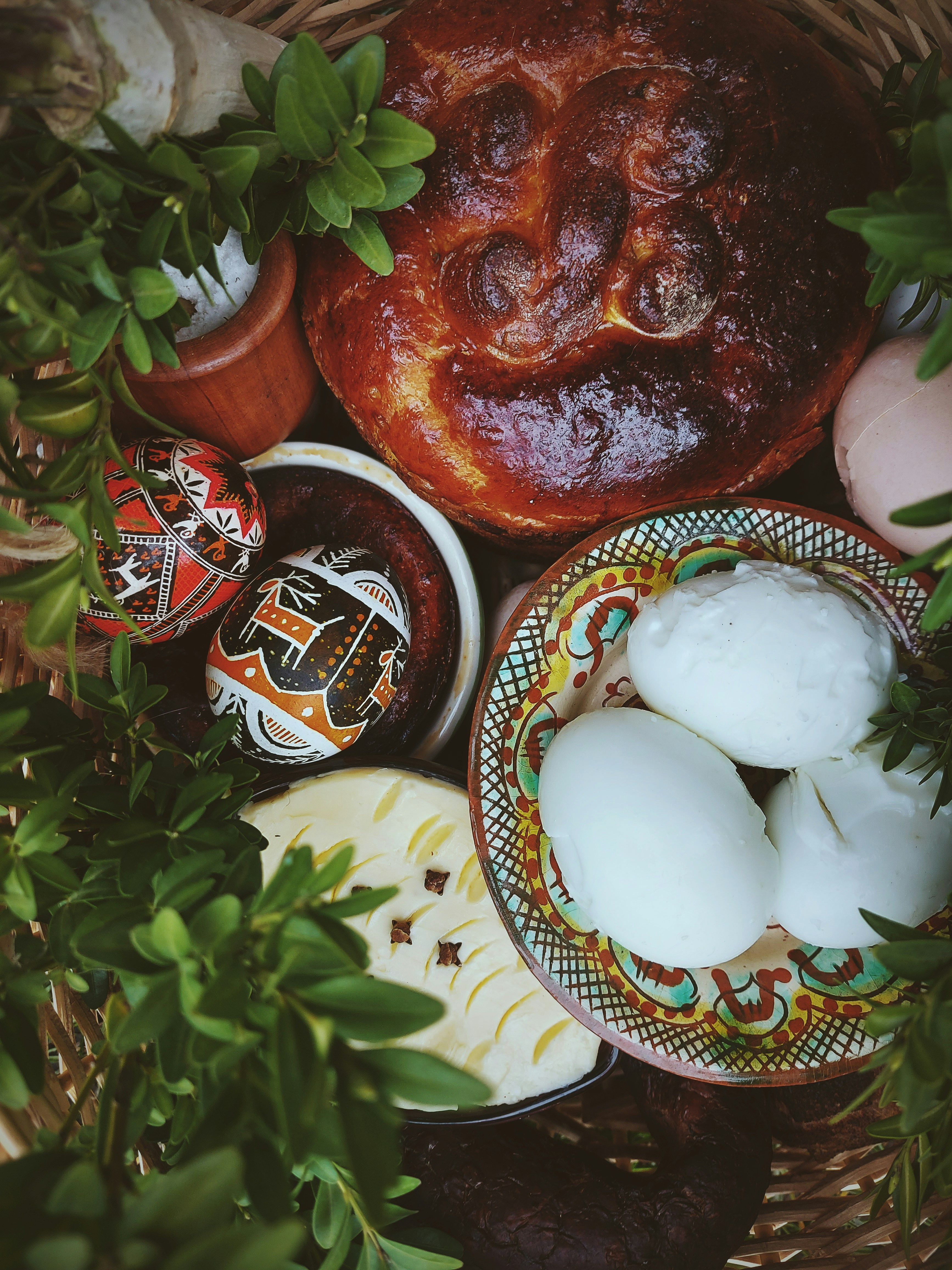
The Rich Diversity of Jewish Culinary Traditions
The culinary heritage of Jewish communities around the globe is a vibrant tapestry, woven from centuries of history, migration, and cultural exchange. This rich diversity encompasses several distinct traditions, the most prominent being Ashkenazi, Sephardic, and Mizrahi, each offering unique recipes and ingredients reflective of their geographic and historical contexts.
Ashkenazi cuisine, originating from Eastern European Jews, typically features hearty dishes designed to withstand cold climates. Signature recipes include matzo ball soup, kugel, and challah, utilizing staple ingredients such as potatoes, flour, and seasonal vegetables. Cooking techniques often emphasize boiling, baking, and roasting, which have been passed down through generations, adapting to local ingredients and tastes.
In contrast, Sephardic cuisine, hailing from Jews of the Iberian Peninsula and the Middle East, is characterized by its vibrant spices, olive oil, and fresh vegetables. Dishes like shakshuka and various forms of stuffed vegetables are common, showcasing the influence of Mediterranean flavors. The use of ingredients such as saffron and pomegranate reflects a culinary melding with Arab, Turkish, and Spanish cuisines, yielding a diverse palate that celebrates richness and complexity.
Mizrahi Jewish cuisine, emerging from Jews in North Africa and the Middle East, also plays a significant role in the overall Jewish culinary spectrum. Distinctive recipes such as couscous, tagines, and various spicy stews highlight ingredients like chickpeas, eggplant, and lentils. The influence of local customs and agricultural products is pronounced, making this tradition a significant element of Jewish food culture.
As Jews migrated, their culinary traditions evolved, incorporating local influences while maintaining their unique identities. Historical events such as expulsions and resettlements led to the adaptation of recipes and ingredients, transforming traditional dishes into contemporary favorites. Such evolution underscores the dynamic nature of Jewish cuisine, illustrating how it serves as both a cultural touchstone and a vehicle for communal identity.
Signature Dishes: A Journey Through Flavors
Jewish cuisine is rich with tradition and history, showcasing a diverse array of signature dishes that reflect the cultural tapestry of the Jewish community. Each dish offers a unique glimpse into the customs and beliefs of the Jewish people, often intertwined with significance and symbolism passed down through generations.
One of the most iconic Jewish recipes is Challah, a braided bread typically enjoyed during Shabbat and festive occasions. Its origins can be traced back to ancient times, where bread held great importance in Jewish rituals. The braiding of Challah symbolizes unity, and its sweet flavor often comes from the addition of sugar or honey, enhancing its appeal during celebrations such as Rosh Hashanah, the Jewish New Year.
Matzo Ball Soup is another beloved dish, particularly during Passover when leavened bread is forbidden. The soup features matzo balls, made from ground matzo, which are light and fluffy, served in a savory broth. The history of this dish highlights the adaptability of Jewish cooking, where traditional recipes have evolved over time while retaining their meaning, providing warmth and comfort, especially during family gatherings.
Lastly, Gefilte Fish stands out as a quintessential Jewish appetizer, traditionally made from a mixture of ground fish, onions, and spices. Originating in Eastern Europe, Gefilte Fish was originally created out of necessity, utilizing the abundant freshwater fish in the region. Today, it is often featured on Passover Seders and signifies the importance of fish in Jewish dietary traditions.
These signature dishes—Challah, Matzo Ball Soup, and Gefilte Fish—embody the flavors and cultural significance of Jewish food, reflecting a deep connection to heritage and community. Their preparation and consumption are often tied to religious observances and family traditions, making them not just culinary delights but also vessels of history and identity.
Survival Practices: Cooking with Purpose
Jewish cooking has profoundly reflected the resilience and perseverance of its people, particularly during harrowing periods in history such as the Holocaust and diasporic experiences. During these challenging times, food became more than sustenance; it emerged as a potent symbol of identity, survival, and cultural continuity. Recipes passed down through generations often encompass elements that not only honor family heritage but also serve as acts of defiance against oppression. The culinary practices developed during the Holocaust illustrate this enduring spirit. Many recipes were adapted to make use of limited resources, with families creatively utilizing whatever ingredients were available to them. Traditional dishes such as borscht, latkes, and kugel have been adapted through frugality but retain their original meanings—offering comfort and connecting individuals to their rich cultural history despite adversity. Moreover, the way communities gather around food solidifies this commitment to preservation. Shared meals adopt deeper meanings during festivals and observances of remembrance, fostering a sense of togetherness and resilience. Cooking with purpose transcends mere nourishment; it becomes an act of rebellion against erasure. Each family recipe can symbolize a life lived and sacrifices made, providing a form of identification through the culinary arts. The significance of Jewish survival practices through food is evident across different regions, reflecting varied influences while maintaining a core sense of identity. For instance, Sephardic Jews introduced spices and flavors from the Mediterranean, while Ashkenazi contributions reflect Eastern European influences. Such culinary diversity showcases how communities have melded external challenges with internal traditions to forge a resilient culinary tapestry. Through acts of cooking, gathering, and sharing traditional recipes, the Jewish community has sustained its cultural heritage, reaffirming its existence against historical attempts at annihilation. The kitchen has thus become a sacred space where the past is honored, and future generations are educated about their identity through the medium of food.
Community and Food: The Heart of Jewish Life
In Jewish culture, food transcends mere sustenance; it is a vessel for community bonding and cultural identity. From family dinners to communal celebrations, the act of sharing meals forms the cornerstone of Jewish life. This centrality of food fosters connections, strengthens relationships, and promotes cultural continuity within Jewish communities.
Jewish cooking often revolves around significant religious events and family gatherings. For instance, during Shabbat, it is customary for families to come together around the table, enjoying traditional dishes such as challah and brisket. These meals offer not just nourishment but also create an atmosphere of togetherness, allowing families to connect, share stories, and uphold traditions. The shared experience of breaking bread symbolizes unity and reinforces familial ties.
Additionally, festivals such as Passover and Hanukkah are marked by distinct culinary practices that reflect historical narratives and religious observances. During Passover, the ritualistic preparations of matzah and the Seder plate’s symbolic foods serve to connect individuals with their ancestors’ experiences, while fostering a sense of community among participants. These collective customs reinforce an understanding of shared heritage, providing a strong foundation for cultural identity.
Moreover, community kitchens and local gatherings often focus on communal cooking, where members collaborate to prepare and share traditional dishes. This not only enhances social bonds but also allows for the passing down of recipes and cooking techniques through generations. The lessons learned during these culinary experiences emphasize not just the act of cooking but the importance of collaboration, making food a medium for cultural expression and continuity.
Leave a Reply